
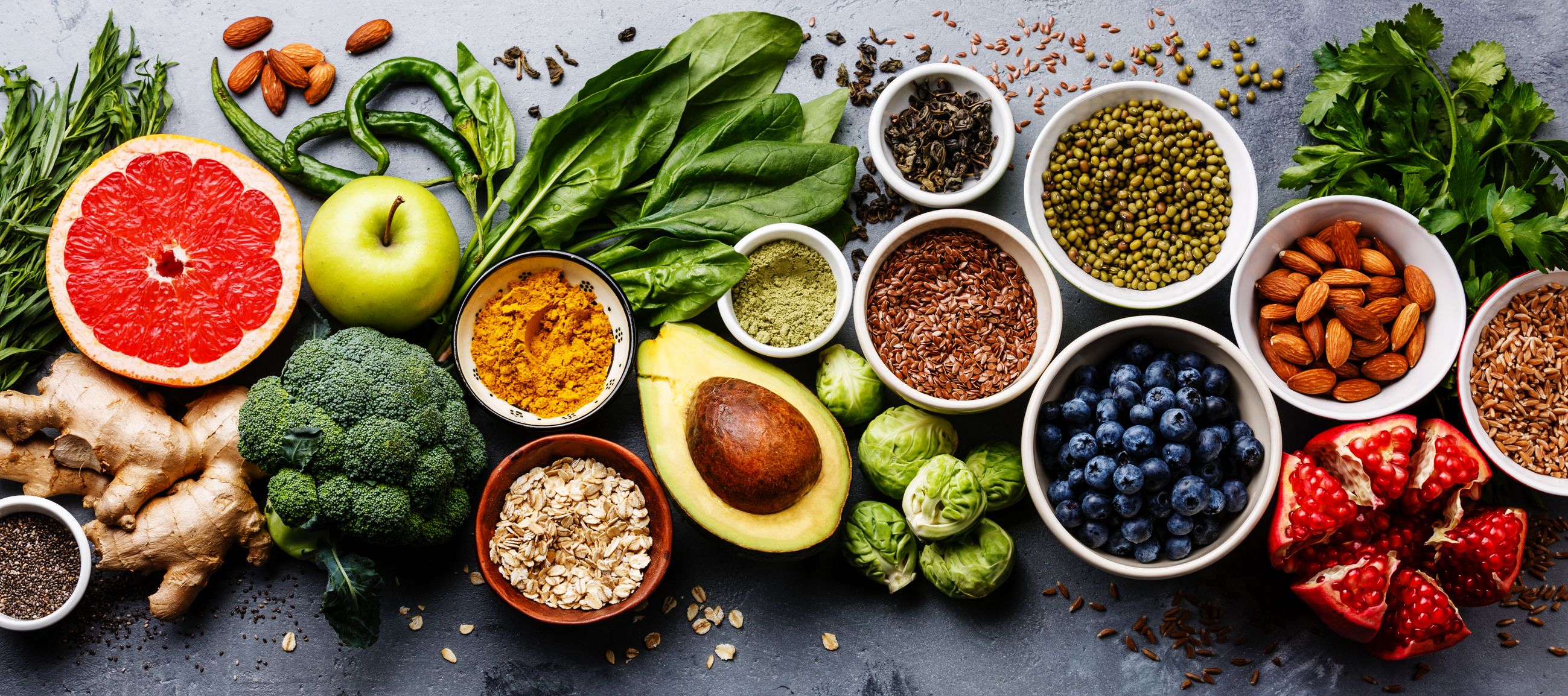
Eating a diet higher in plant foods and lower in animal products can have many health benefits, including weight loss or maintenance and a lower risk of heart disease and diabetes. However, it should be noted that adopting a plant-based diet does not, by itself, mean more health. A person can eat 100% plant-based nutrition that is unbalanced and deficient in nutrients essential for maintaining good health, with excessive use of processed foods (rich in fat, salt and refined sugars), such as fried foods, soft drinks, frozen meals, among others. The benefits associated with plant-based eating take into consideration an individual who makes a balanced and varied diet rich in fruits, vegetables, legumes, seaweed, oilseeds and whole grains. That said, and schematically, the leading health benefits of a pure herbal balanced diet are as follows:
1. Prevention of chronic diseases: A plant-based diet reduces the risk of developing chronic and associated degenerative diseases such as obesity, hypertension and type 2 diabetes due to low intake of saturated fat.
2. Prevention of heart disease: A diet rich in fibre, folic acid, antioxidants and phytochemicals is associated with lower levels of LDL (“bad cholesterol”), which contributes to the reduction of cardiovascular disease.
3. Prevention of carcinogenic diseases: Plant-based food is relatively low in fat, high in nutrient density and very high in fibre. There is a strong relationship between fibre consumption and reducing the risk of contracting certain cancers. In the 100% vegetable diet, substances such as carotenoids, flavones, beta-carotenes and indoles also predominate, which slow the development of some cancers.
4. Prevention of degenerative nerve diseases: An antioxidant-rich diet decreases the propensity for degenerative nerve diseases such as Alzheimer’s and Parkinson’s to develop.
WHAT TO EAT
You should focus on eating the following food groups when transitioning to a plant-based diet:
Fruits
A plant-based diet includes all fruits, such as:
Berries, citrus fruits, bananas, apples, grapes, melons, avocado
Vegetables
A healthy plant-based diet contains plenty of vegetables. Including a variety of colourful vegetables provides a wide range of vitamins and minerals.
Examples include:
Broccoli, kale, beetroot, cauliflower, asparagus, carrots, tomatoes, peppers, zucchini
Root vegetables are a good source of carbohydrates and vitamins. They include:
Sweet potato, potatoes, butternut squash, beets
Legumes
Legumes are an excellent source of fibre and plant-based protein. You can include a wide variety in your diet, including:
Chickpeas, lentils, peas, kidney beans, black beans
Seeds
Seeds are a great snack or an easy way to add extra nutrients into a salad or on top of a soup.
Sesame seeds contain calcium Trusted Source, and sunflower seeds are a good source of vitamin E. Other seeds include:
Pumpkin, chia, hemp, flax
Nuts
Nuts are a good source of plant-based protein and vitamins, such as selenium and vitamin E.
Brazil, almonds, cashews, pecans, macadamia, pistachios
Healthful fats
It is vital to consume polyunsaturated and monounsaturated fats, as well as omega-3 fatty acids. Plant-based sources include:
Avocados, walnuts, chia seeds, hemp seeds, flaxseed, olive oil, canola oil
Whole grains
Whole grains are an excellent source of fibre and help maintain stable blood sugar. They also contain essential minerals, such as magnesium, copper, and selenium.
Examples of whole grains include:
Brown rice, oats, spelt, buckwheat, quinoa, wholegrain bread, rye, barley
Plant-based milk
If people want to reduce their dairy intake, there is a wide range of plant-based milk available in grocery stores and online. These include: Almond, soy, coconut, rice, oat, hemp
Just make sure to choose unsweetened plant milk options.
Foods to avoid
Just reducing or eliminating animal products does not automatically mean a plant-based diet is healthful. It is also vital to reduce or avoid unhealthful foods, such as:
Processed foods, sugary foods, such as cakes, biscuits, and pastries, refined white carbohydrates, processed vegan and vegetarian alternatives that may contain a lot of salt or sugar, excess salt, fatty, greasy, or deep-fried foods


No comments:
Post a Comment